
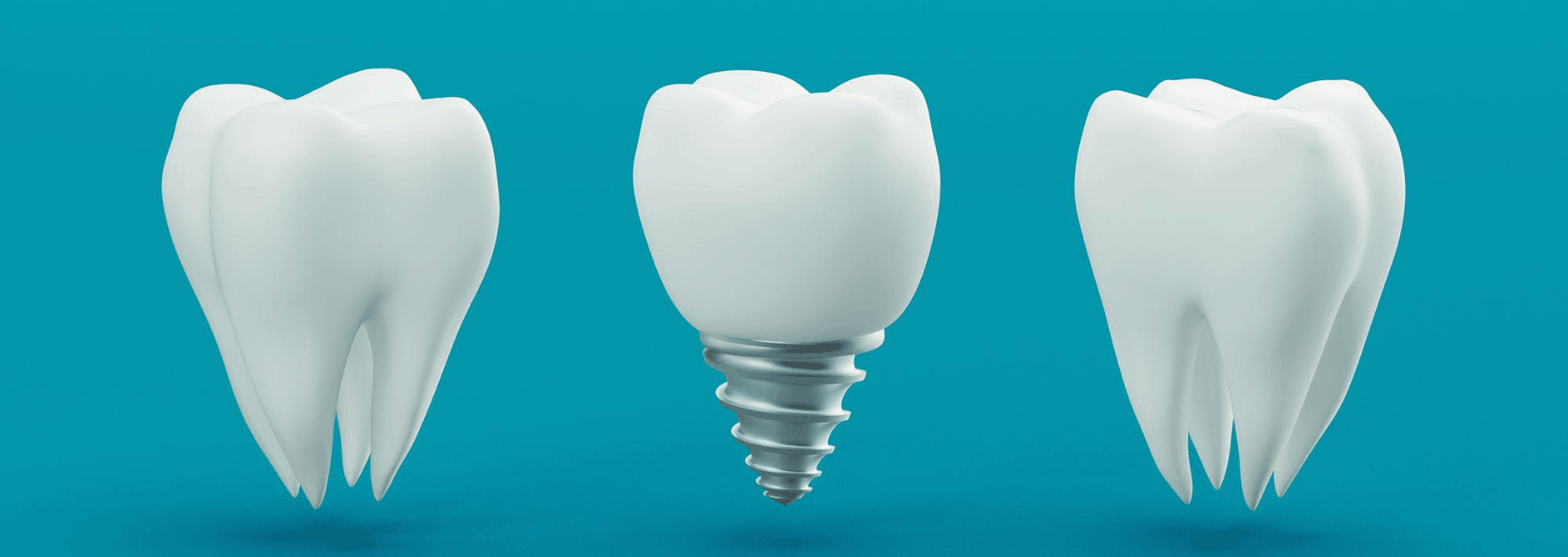
Missing a tooth can affect more than the appearance of your smile. It may make chewing difficult, affect speech, and allow neighbouring teeth to shift over time. Dental implant treatment is one option for replacing missing teeth, but the implant alone does not recreate the visible part of the tooth.
A dental implant and dental crown work together to replace both the missing tooth root and the visible tooth structure. Understanding how these components work together can help you make an informed decision when considering a permanent tooth replacement.
Dental implant treatment is a tooth-replacement option for people who have one or more missing teeth. A dental implant is a small titanium post placed into the jawbone, where it functions as an artificial tooth root.
During healing, the implant can integrate with the surrounding bone through a process called osseointegration. Once the implant has healed sufficiently and is considered stable, it can support the final restoration.
Unlike removable dentures, an implant-supported restoration is fixed in place and is designed to provide stability during everyday activities such as eating and speaking.
A dental crown is a custom-made restoration that covers a damaged tooth or is attached to a dental implant to replace the visible portion of a missing tooth.
When used with an implant, the crown is designed to match the surrounding teeth in colour, shape, and size. Crowns may be made from materials such as porcelain or ceramic, depending on the clinical requirements and aesthetic goals.
In the dental implant treatment, the implant provides the foundation beneath the gum, while the crown completes the visible part of the restoration.
A successful dental implant treatment involves several components working together. The implant acts as the foundation, while the crown recreates the visible portion of the missing tooth.
The process generally includes these stages:
The dental implant is carefully positioned within the jawbone to replace the missing tooth root.
The implant is allowed to heal and integrate with the surrounding bone. This stage may take several weeks or months, depending on the individual case.
Once the implant has healed adequately, an abutment may be attached. This small connector links the implant to the final crown.
A custom-made dental crown is attached to the abutment, completing the restoration and replacing the visible portion of the missing tooth.
The implant is placed within the jawbone and replaces the function of the missing tooth root. It does not provide the visible tooth above the gum line. A dental crown is therefore used to recreate the visible part of the tooth.
An implant-supported crown can help:
When dental implants and crowns are used together, the restoration can offer several benefits depending on the patient’s individual situation.
A custom-made crown can be designed to match the colour, shape, and proportions of neighbouring teeth, helping the restoration blend naturally with the smile.
Because the implant is fixed within the jawbone, an implant-supported crown can provide stability during chewing once treatment has been completed and the restoration is functioning appropriately.
With appropriate oral hygiene, regular dental check-ups, and proper maintenance, implant-supported restorations can provide long-term service.
A dental implant placed in the appropriate location can help reduce this type of bone loss around the implant site.
Unlike removable dentures, an implant-supported crown is fixed to the implant. This can provide greater stability during daily activities after the restoration has been completed.
Many adults with one or more missing teeth may be considered for dental implant treatment. Suitability depends on several factors, including:
Yes. One advantage of Dental Implant Treatment is that the implant and crown are separate components.
If the crown becomes worn, chipped, or damaged, it may be possible to replace the crown while leaving the implant in place, provided the implant and surrounding tissues remain healthy and suitable for continued use.
The condition of the implant and surrounding tissues should be assessed before a replacement crown is planned.
Dental implant treatment replaces the foundation of a missing tooth, while a custom dental crown restores the visible portion. When these components are planned and placed appropriately, they can work together to restore chewing function and create a natural-looking tooth replacement.
If you’re considering options to replace missing teeth with implants, a professional evaluation can help determine whether this treatment is suitable for you. Patients who also have crowding, spacing, or bite concerns may need orthodontic assessment before implant placement to ensure the teeth are appropriately positioned.
At Agarkar Dental Care, Dr. Sanket Agarkar, one of the Best Orthodontists in Pune, carefully evaluates your case and determines whether orthodontic treatment is needed to create the ideal space for the implant. This collaborative approach helps improve both function and long-term treatment outcomes