
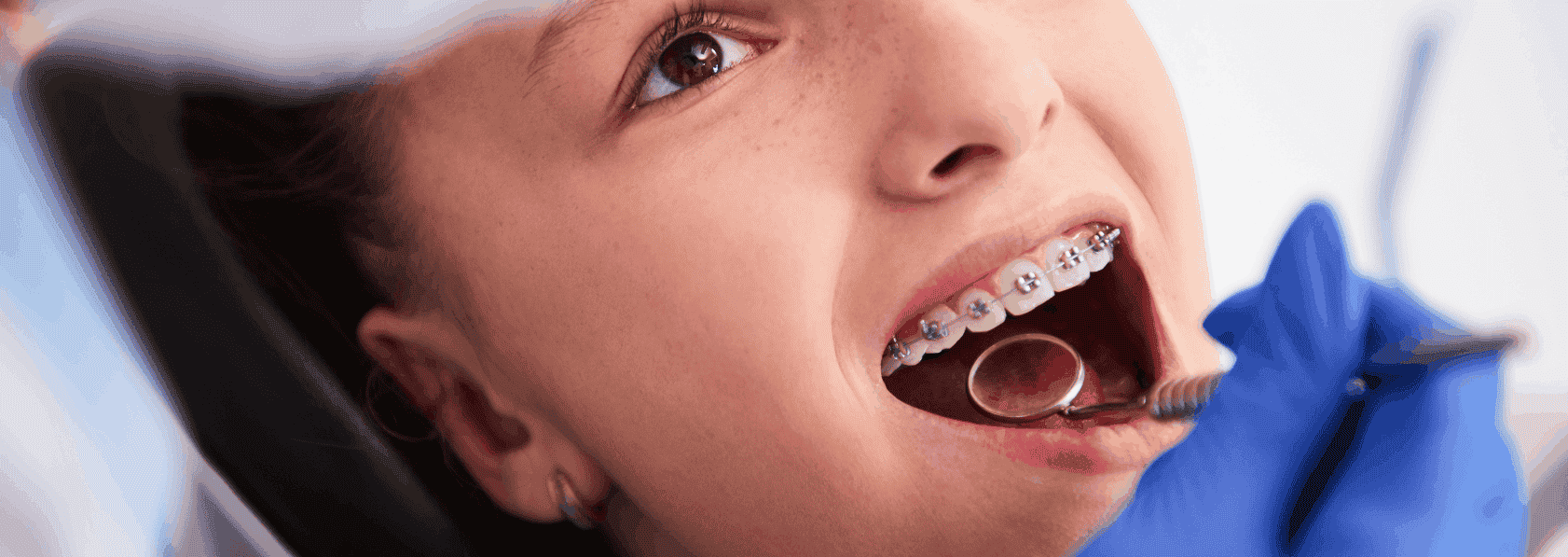
Do you experience jaw pain after chewing? Have you noticed certain teeth wearing down faster than others or becoming unusually sensitive? These issues may not simply be a part of ageing. In many cases, they are caused by excess bite pressure resulting from misaligned teeth.
When teeth do not fit together properly, some areas of the mouth absorb more force than they should. Over time, this can affect your teeth, gums, jaw joints, and overall oral health.
Many people associate braces with improving appearance, but this often recommended to solve functional problems that can lead to discomfort and long-term dental complications.
A healthy bite allows chewing forces to be distributed evenly across all teeth. However, when teeth are crowded, crooked, or affected by bite problems, certain teeth may bear more pressure than others.
This uneven force is known as excess bite pressure.
Common symptoms include:
Several orthodontic conditions can contribute to uneven bite forces.
Crowded teeth often overlap or rotate, preventing proper contact between upper and lower teeth.
An excessive overbite places extra pressure on the front teeth and may contribute to enamel wear.
An underbite can create abnormal chewing patterns and place unnecessary stress on the jaw.
A crossbite causes some teeth to bite in the wrong position, leading to uneven force distribution.
When certain teeth do not meet during biting, the remaining teeth must compensate by handling greater pressure.
These common Teeth Alignment issues can affect both oral function and comfort if left untreated.
Braces treatment is an orthodontic procedure that uses brackets, wires, and controlled pressure to gradually move teeth into healthier positions. The goal is not only to create a straighter smile but also to improve the way the teeth and jaws function together.
Orthodontists commonly recommend Braces treatment for:
For many patients, it is an effective long-term solution that improves both aesthetics and function.
Many dental problems originate from poor tooth alignment. When teeth do not meet correctly, they can place excessive stress on certain areas of the mouth every day.
One of the biggest benefits of Teeth Alignment with Braces is improved bite balance.
As teeth move into proper positions, chewing forces become more evenly distributed across the entire dental arch.
Excess pressure can gradually weaken teeth.
By improving alignment, Teeth Alignment with Braces helps reduce the risk of:
An imbalanced bite often forces jaw muscles and joints to work harder than necessary.
Many patients notice improved comfort after Teeth Alignment because their bite becomes more balanced and efficient.
Crowded teeth are often difficult to clean effectively.
Straightening the teeth through Teeth Alignment with Braces can make brushing and flossing easier, helping reduce plaque accumulation and gum problems.
Think of your teeth as a team. When all teeth work together properly, chewing forces are shared evenly.
When teeth are misaligned, a few teeth often absorb most of the workload.
Teeth Alignment with Braces gradually moves teeth into their ideal positions, helping create better contact between the upper and lower arches. As a result:
This is why orthodontists frequently recommend Teeth Alignment with Braces as a solution for patients experiencing bite-related problems.
One of the most common questions patients ask is: “Can braces fix bite problems?”
In many cases, yes. Depending on the severity of the condition, Teeth Alignment With Braces can help correct:
Addressing these concerns early can help prevent future complications involving the teeth, gums, and jaw joints.
You may benefit from Treatment for teeth alignment if you experience:
The earlier these issues are evaluated, the easier they are often to manage.
The first step is a comprehensive orthodontic evaluation.
This may include:
Based on the findings, the orthodontist creates a customised plan for Teeth Alignment with braces.
Throughout treatment, periodic adjustments guide the teeth into healthier positions. Once treatment is completed, retainers help maintain the results.
Every patient’s bite is unique.
While some bite problems are obvious, others may only become noticeable after symptoms such as tooth wear, jaw pain, or recurring dental issues appear.
A professional orthodontic assessment helps determine whether Teeth Alignment with Braces is the most appropriate solution for your condition and ensures treatment is tailored to your needs.
Excess bite pressure can lead to tooth wear, jaw discomfort, sensitivity, and other oral health problems if left untreated. Fortunately, Teeth Alignment with Braces offers an effective way to correct bite problems, distribute chewing forces more evenly, and improve overall oral function.
If you are experiencing symptoms related to Teeth Alignment issues, seeking professional guidance can help identify the cause and determine the right Treatment for teeth alignment. Consulting an experienced orthodontic team at an Agarkar dental care in Aundh, Pune can help you understand your options and achieve a healthier, more balanced bite.